
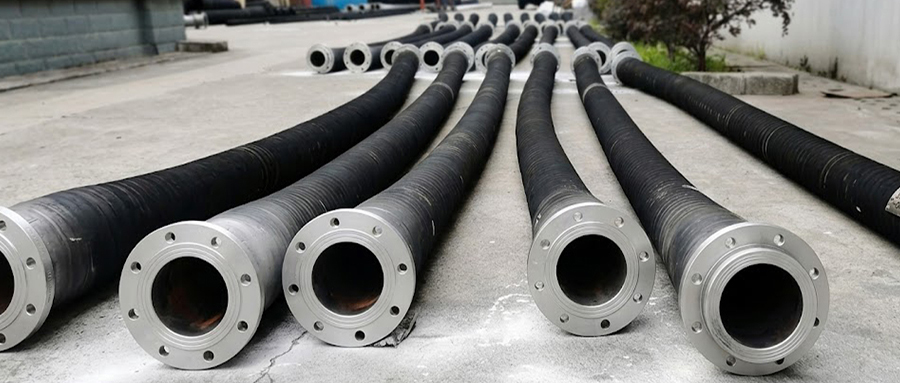
In BOF steelmaking, the oxygen blowing hose is the “lifeline” connecting the oxygen source and the oxygen lance. High-pressure, high-purity oxygen is continuously delivered to the converter through this hose to complete the crucial smelting reactions. However, faced with the densely packed parameters in the technical specifications, many purchasing personnel are often confused: with so many indicators, which ones are truly crucial in determining whether the hose can operate safely and stably?
Today, we’ve compiled five core performance parameters you must consider when purchasing oxygen blowing hoses to help you quickly understand the technical specifications and make a professional and reliable choice.
Work pressure: The “red line” for safe operation
Working pressure refers to the maximum pressure that a hose can continuously withstand under normal operating conditions, usually expressed in megapascals (MPa) or bars (bars). For oxygen blowing hoses, working pressure is the primary safety indicator to consider.
Why is this parameter so important?
The oxygen pressure in converter oxygen blowing is typically between 1.0 and 2.5 MPa, and even higher in some large converters. If the working pressure of the hose is lower than the actual operating pressure, it can cause the hose to bulge and deform, or even burst. In a high-pressure, pure oxygen environment, a single burst can have catastrophic consequences.
How to select the right type?
Technical specifications usually clearly indicate the “working pressure” or “rated pressure.” When purchasing, ensure that the hose’s working pressure is not lower than the system’s maximum designed working pressure, and it is recommended to allow a 20% to 30% safety margin to cope with abnormal operating conditions such as pressure fluctuations.
Explosive pressure: The “bottom-line guarantee” for safety.
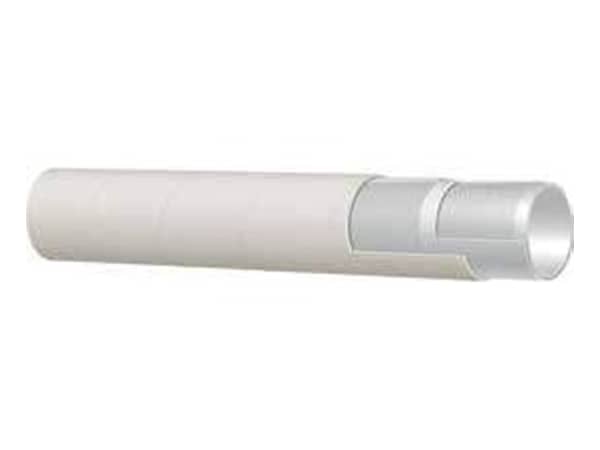
Burst pressure refers to the maximum pressure a hose can withstand during a destructive test, typically 3 to 4 times its operating pressure. This parameter represents the hose’s ultimate safety reserve.
Why is burst pressure important?
Oxygen hoses operate in a high-pressure, pure oxygen environment. In the event of an abnormal pressure surge (such as sudden valve closure or oxygen lance blockage), the instantaneous pressure can far exceed the normal operating pressure. A sufficient burst pressure multiple ensures the hose will not rupture under these extreme conditions, serving as the last line of defense against catastrophic accidents.
How to determine if it’s qualified?
A high-quality oxygen hose generally has a burst pressure of no less than 4 times its operating pressure. For example, a hose with an operating pressure of 2.0 MPa should have a burst pressure of at least 8.0 MPa. In technical specifications, this parameter is usually labeled “Burst Pressure.” If this is not specified in the specifications, caution is advised when selecting such a hose.
Operating temperature range
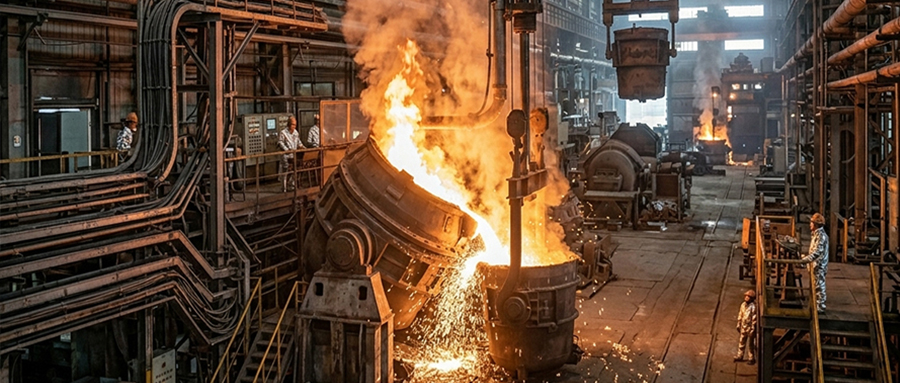
Oxygen blowing hoses operate in extremely harsh environments: the area in front of the furnace is constantly exposed to high-temperature heat radiation, and the surface temperature of the hose may far exceed the ambient temperature. Furthermore, it must frequently approach the high-temperature furnace body and molten steel. Therefore, the hose’s high-temperature resistance directly determines its reliability and service life under actual operating conditions.
What are the temperature ranges?
Technical specifications typically indicate two temperature parameters:
- Operating temperature range: The ambient temperature range within which the hose can operate normally. Pay particular attention to the upper limit, such as “-20℃~+100℃” or “0℃~+120℃”;
- Medium temperature range: The temperature range of the oxygen being transported. Consideration must be given to the potential temperature increase due to compression or environmental heat transfer during high-pressure transport, ensuring the heat resistance and stability of the inner rubber layer.
How to select based on high-temperature conditions?
When purchasing, ensure that the upper limit of the hose’s operating temperature is not lower than the highest temperature that may be achievable on-site. For the core area in front of an electric furnace or converter, it is strongly recommended to choose a hose with an outer rubber layer that has high-temperature radiation resistance, effectively resisting the continuous heat radiation emitted by the furnace body. Meanwhile, the inner adhesive layer material must have excellent thermal aging properties to ensure that it does not harden or crack under long-term high-temperature use.
Minimum bending radius: a “fitting indicator” for installation space
The minimum bending radius refers to the smallest radius of curvature a hose can bend without damaging its internal structure. It is usually expressed as a multiple of the hose’s outer diameter, such as “10 times the outer diameter”.
Why is this parameter important?
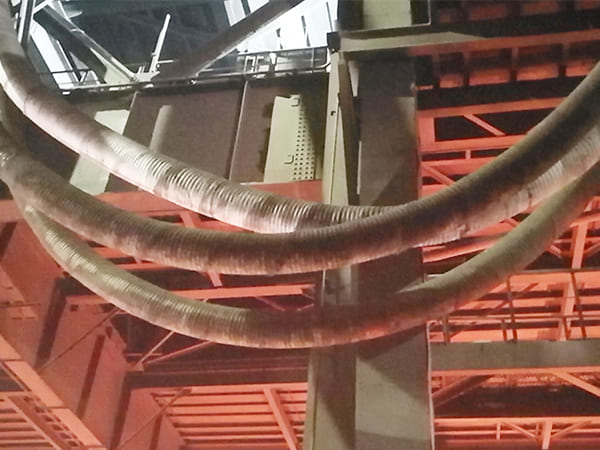
During installation and use, oxygen hoses need to bypass equipment, pass through confined spaces, and bend as the oxygen gun moves up and down. If the actual bending radius is smaller than the hose’s minimum bending radius, it will lead to:
- Wrinkling or cracking of the inner rubber layer, affecting oxygen flow;
- Deformation of the reinforcing steel wires, reducing pressure resistance;
- Localized fatigue of the hose, accelerating aging and failure.
How to interpret it correctly?
The technical specifications will indicate the “Minimum Bend Radius”. When purchasing, a hose with an appropriate bending radius should be selected based on the installation space and the hose’s movement trajectory. For work scenarios requiring frequent bending and swaying (such as oxygen gun raising and lowering), it is recommended to choose a hose with a smaller bending radius and better flexibility.
Oxygen flow rate compatibility
This is an easily overlooked yet crucial parameter. While ordinary hoses can transport air or inert gases, special requirements apply to materials and structure when used for high-pressure pure oxygen. Oxygen flow rate compatibility determines whether the hose can safely deliver a high-speed oxygen flow.
Why is oxygen flow rate so critical?
When the oxygen flow rate is too high, if the inner wall of the hose has impurities, oil, or a rough surface, friction, impact, or particle collision may cause localized high temperatures, even leading to combustion. Internationally, there are strict limits on oxygen pipeline flow rates, typically requiring an oxygen flow rate not exceeding 25 m/s (the specific rate depends on the pressure).
How to determine if a hose is qualified?
The technical specifications should clearly indicate whether the hose is suitable for oxygen services and the recommended maximum oxygen flow rate. A qualified oxygen blowing hose typically possesses the following characteristics:
- Inner rubber layer material: Made of oxygen-specific rubber, possessing excellent flame retardancy and oxidation resistance;
- Inner wall smoothness: Extremely smooth inner wall, reducing friction and impurity adhesion;
- Oil-free treatment: The hose undergoes strict oil-free processing during production to ensure no grease contamination;
- Special marking: Clearly marked “OXYGEN” or “Oxygen-specific” on the hose body.
Three Steps to Understanding Technical Specifications
Faced with a complete technical specification sheet, you can quickly extract key information by following these steps:
Confirm Applicability
Check the “Application Scope” or “Applicable Media” section of the specification sheet to confirm whether the hose is clearly marked as suitable for “oxygen” or “high-pressure oxygen delivery”.
Verify Core Parameters
- Verify the above five parameters in sequence to ensure:
- Working pressure ≥ System maximum pressure × 1.2~1.3;
- Burst pressure ≥ Working pressure × 4;
- Usage temperature range covers on-site working conditions;
- Minimum bending radius meets installation space requirements;
- Maximum oxygen flow rate meets design flow rate.
Check Certifications and Markings
Confirm that the hose complies with relevant standards and check whether the markings on the hose are clear and complete, and whether they include traceability information such as pressure rating, production date, and batch number.
Purchasing oxygen hoses is never simply “buying a pipe,” but a serious commitment to steelmaking safety and production efficiency. Operating pressure, burst pressure, operating temperature range, minimum bending radius, and oxygen flow rate compatibility—these five parameters collectively form the safety barrier of oxygen blowing hoses, and none can be omitted.
As a professional manufacturer deeply rooted in the industrial piping field, we produce every oxygen blowing hose to the highest standards, meticulously refining every step from material selection and process control to oil-free treatment and pressure testing. We are willing to share more of our expertise to help you make an informed and reliable choice.
For more information on oxygen blowing hose selection or to obtain product technical specifications, please feel free to contact us.
Click the website to learn more:www.unblockgroup.com
If you need any help in technical,please mail us (krystalqi@unblockgroup.com)