
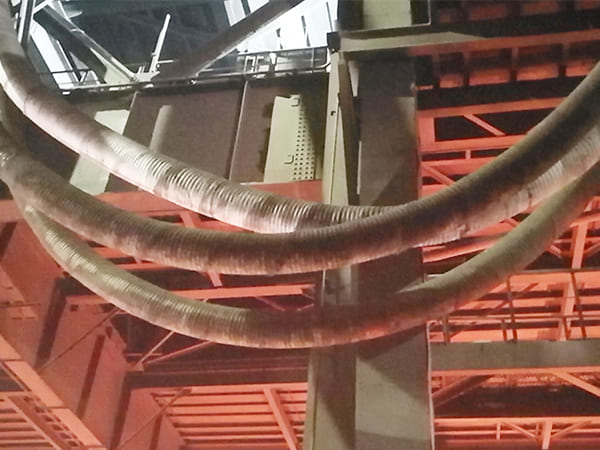
In the roar of steelmaking, oxygen is the “lifeblood” of converter steelmaking, and the oxygen lance hose, which safely and stably delivers high-pressure oxygen to the furnace, is the “choke point” of this lifeline. However, once this seemingly ordinary hose ruptures, the consequences are far more than just a simple leak—it can instantly ignite a disaster. Today, we will seriously discuss the three fatal consequences behind oxygen lance hose failure and why we must treat its safety with a “zero-tolerance” attitude.
Oxygen Lance Hose: A “Dangerous Artery” Under High Temperature and Pressure
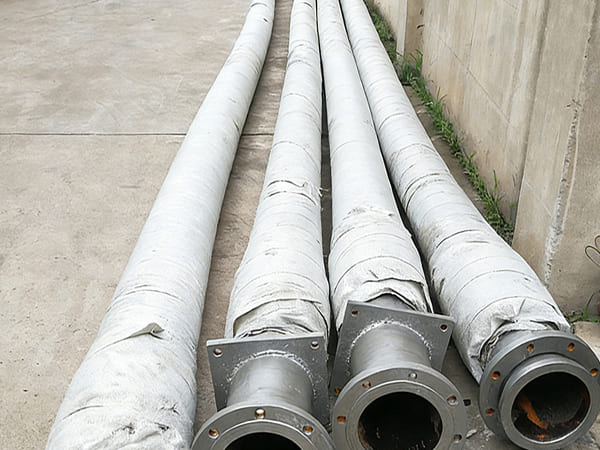
The oxygen lance hose is a key flexible component connecting the oxygen hoseline to the oxygen lance, responsible for delivering high-purity, high-pressure oxygen to the converter or electric furnace during the steelmaking process. The working environment typically exhibits the following characteristics:
- High-pressure transport: Oxygen pressure is usually as high as 1.0~2.5MPa or even higher;
- High-purity medium: The transported medium is oxygen-rich or pure oxygen, with extremely strong oxidizing properties;
- Harsh working conditions: Located near high-temperature molten steel, with high ambient temperatures, frequent splashes, dust, and mechanical vibrations;
- Dynamic operation: The oxygen lance needs frequent raising, lowering, and moving, subjecting the hose to bending, tension, and oscillation fatigue.
These characteristics make the oxygen lance hose no longer an ordinary industrial hoseline, but a primary hazard management point in metallurgical enterprises.
Three Fatal Consequences of Hose Failure
Consequence 1: Combustion and Explosion
- Oxygen itself is non-flammable, but it is a strong oxidizer. If a hose cracks or a joint leaks, high-pressure oxygen will leak out, causing:
- Igniting upon contact with grease: Grease on hoses, valves, or the surrounding area will ignite violently in the high-pressure oxygen flow;
- Metal hoses may “burn”: Carbon steel and other metals may ignite in a pure oxygen environment, causing a hoseline fire;
- Igniting combustibles: Dust, lint, rubber scraps, etc., are easily ignited by the high-pressure oxygen flow, potentially causing an explosion.
Real-world case warning: A steel plant experienced a fire caused by an aging and cracked oxygen lance hose. The leaking oxygen came into contact with grease in the hoses, instantly igniting the hoseline system. The fire spread along the oxygen hoseline, causing severe damage to equipment and a two-week production shutdown.
Consequence Two: Backfire Accident
During oxygen lance operation, if the lance head becomes clogged, oxygen pressure fluctuates, or molten steel splashes cause a brief “backflow” of the flame, the hose may have the following potential hazards:
- Damaged or rough inner rubber layer: Easily accumulates metal shavings and oxide particles, forming an ignition source;
- Insufficient flame-retardant capacity: The hose structure lacks a flame-retardant layer or metal mesh barrier;
- Poorly sealed joints: The flame may flow back into the main oxygen hoseline.
Once backfire occurs, the flame can rapidly travel back along the hose to the oxygen valve station or even the storage tank area, triggering a systemic explosion disaster.
Consequence Three: Production Interruption and Major Equipment Damage
A single hose rupture or leak often leads to:
- Emergency Shutdown: The converter/electric furnace must immediately cease smelting, and unfinished molten steel may be scrapped;
- Oxygen Lance Burnout: High-pressure oxygen leaks are often accompanied by high-temperature backfire, rapidly damaging the oxygen lance head and body;
- Chain Reaction Damage to the Piping System: The explosion or fire affects valves, instruments, and adjacent hoselines;
- Huge Losses Due to Production Stoppage: Repairing hoselines, replacing equipment, and restoring production can take anywhere from several days to several weeks, resulting in economic losses often reaching millions or even tens of millions of yuan.
The Underlying Logic of Oxygen Lance Hose Safety Requirements
Customers often ask: “Why are the safety requirements for a single hose almost aerospace grade?” The reasons are:
- Oxygen characteristics: In a high-pressure, pure oxygen environment, the oxidation reaction rate of materials increases exponentially. Ordinary rubber will rapidly age and burn in oxygen.
- The special nature of metallurgical processes: Steelmaking is a high-temperature, dynamic, and continuous process, allowing no mid-process “stoppage for maintenance.”
- Unacceptable consequences of safety accidents: Oxygen system accidents are often devastating, affecting personnel lives, core equipment, and the entire plant’s production.
- Mandatory industry standards and regulations: National and industry standards (such as GB/T 10893, JB/T 11715, etc.) have extremely strict regulations on the materials, design, and inspection of oxygen hoselines.
How to safeguard this “safety red line”?
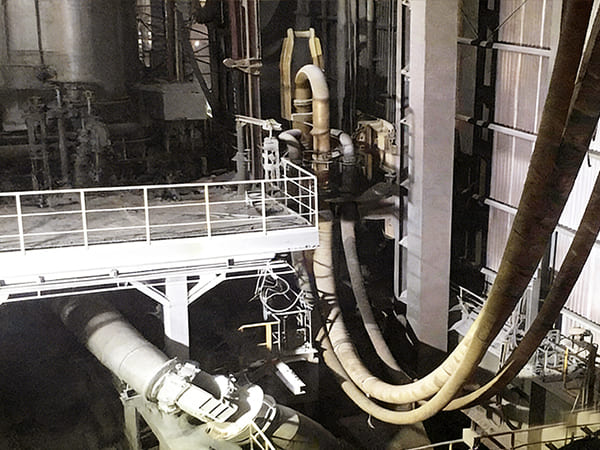
Specialized Materials Required
- Inner Rubber Layer: Must be made of special synthetic rubber, strictly oil-free, and with an extremely smooth surface to minimize particle accumulation;
- Reinforcing Layer: High-strength fiber fabric and high-strength steel wire winding, with pressure resistance exceeding four times the working pressure;
- Outer Rubber Layer: Wear-resistant, anti-aging, and often has a high-temperature protective layer.
Structural Reinforcement and Protection
- Preferably use rubber hoses with flame-retardant properties;
- Connectors use oil-free stainless steel flanges specifically designed for oxygen services to ensure absolutely reliable sealing;
- It is recommended to equip with a backfire prevention device and a quick-shutdown valve.
Strict Adherence to Usage and Maintenance Procedures
- Thorough degreasing and cleaning must be performed before installation;
- Regular pressure tests and airtightness checks must be conducted, and hose usage records must be established;
- Overpressure, overtemperature, and twisting are strictly prohibited. Any minor damage to the outer layer requires immediate shutdown and evaluation;
- Establish a mandatory replacement cycle; even without visible damage, replacement is mandatory upon expiration.
In the world of steelmaking, the oxygen lance hose is not an ordinary hose, but a safety barrier concerning life and property. Its failure is never a trivial matter of “replacing a hose”; it could be the fuse that ignites a major disaster.
As an industrial hose manufacturer that has long served the metallurgical industry, we deeply understand this heavy responsibility. Every oxygen lance hose we produce, from material selection and structural design to manufacturing processes, adheres to the highest safety standards, and we continuously strive to develop safer and more reliable piping solutions.
Safety is paramount, and vigilance must be constant. If you have any questions or needs regarding oxygen hoseline safety, we are always ready to use our expertise to help you build a solid foundation for safe production.
Click the website to learn more:www.unblockgroup.com
If you need any help in technical,please mail us (krystalqi@unblockgroup.com)